
A contractor license check in California takes a few minutes: go to the Contractors State License Board (CSLB) website, search by license number, business name or personnel name, and confirm that the license is active, the classification matches your project, and the bond and workers’ compensation information is current. Below we walk through each step, explain what every section of the license record means, and cover the other checks worth making before you hire anyone for a kitchen, bathroom or new home in Sacramento, Placer County or anywhere in Northern California.
Key takeaways
- The CSLB’s free online tool lets you search by license number, business name, personnel name or salesperson registration.
- Since January 1, 2025, a license is generally required for jobs over $1,000 in labor and materials, and for any job that needs a permit or uses workers.
- Active contractors must carry a $25,000 contractor’s bond on file with the CSLB.
- For home improvement jobs, the down payment cannot be more than $1,000 or 10% of the contract price, whichever is less.
- Tenax Construction Inc. holds CSLB license #1057033 (B General Building and C-10 Electrical).
Why a license check matters
In California, almost any paid construction work beyond small handyperson jobs must be done by a contractor licensed by the CSLB. To keep a license active, a company must keep a bond and, if it has employees, workers’ compensation insurance on file with the state. When you hire a licensed contractor, you hire a business that the state can hold accountable.
Hiring an unlicensed person can leave you with work that fails inspection, no bond to claim against, and possible liability if an uninsured worker is hurt on your property. Building departments from the City of Sacramento to Placer County also expect remodel permits to be pulled by a licensed contractor or by the owner as owner-builder. A quick check up front avoids all of this.
The rule for small jobs changed recently. According to the CSLB, since January 1, 2025, an unlicensed person may take on a project only if the total price for labor and materials is no more than $1,000, no building permit is needed, and they do not hire workers. A kitchen or bathroom remodel is far above that line, and almost always needs a permit as well. For how permits work in our area, see our guide to remodel permits in the City of Sacramento.
How to do a contractor license check on the CSLB website
The CSLB runs a free public lookup at cslb.ca.gov “Check a License”. It works on a phone, so you can run a contractor license check while the estimator is still at your kitchen table. Here is the process.
- Ask for the license number. Licensed contractors are generally required to show their license number on contracts, bids and advertising, including trucks and websites. If someone hesitates to give it, treat that as an answer.
- Open the CSLB lookup. Choose the search type: license number, business name, personnel name, or Home Improvement Salesperson (HIS) registration.
- Search by number first. Enter digits only. Searching by number avoids confusion between companies with similar names.
- Compare the business name and address. The name on the license should match the name on the bid and the contract. A different entity name is worth a question.
- Read every section of the record. Status, classifications, bonding and workers’ compensation are covered in the next section.
- Save a copy. Take a screenshot or print the page with the date, and keep it with your contract.
What to read on the license detail page
Each license has its own detail page. Using our own record as an example, here is what each part tells you and what to look for.
| Section | What it shows | What to look for |
|---|---|---|
| Business information | Legal name, address, phone, entity type, issue and expiration dates | Name and address match the bid and contract |
| License status | Whether the license is current and active | “Current and active”; not inactive, expired, suspended or revoked |
| Classifications | The trades the license covers, such as B or C-36 | A classification that fits the work you are hiring for |
| Bonding | Bond company, bond number, amount and effective date | A $25,000 contractor’s bond on file |
| Workers’ compensation | Insurer, policy number and expiration date, or an exemption | An active policy if the company has employees on your job |
| Other / disclosures | Public complaint information and certain legal actions | Read any disclosure and ask the contractor about it |
License status
Only an active license allows a company to contract for work. An inactive license means the holder cannot contract right now. A suspended license can result from things like a lapsed bond, missing workers’ compensation coverage or an unpaid judgment. If the status is anything other than active, stop and ask why before going further.
Bond
The CSLB requires a $25,000 contractor’s bond before it will issue, renew or reactivate an active license. According to the CSLB bond requirements, the bond is there for consumers harmed by defective construction or license law violations, and for employees owed wages. It is a limited safety net, not insurance for your whole project.
Workers’ compensation
A company with employees must carry workers’ compensation insurance. Some license holders file an exemption because they state they have no employees. If the record shows an exemption but you see a crew on site, ask about it: an injured, uninsured worker is a risk no homeowner wants on their property.
Which license classification fits your project
A license is issued in one or more classifications, and they matter. A B, General Building contractor can take on projects that involve multiple trades on a structure, which describes most kitchen and bathroom remodels and new homes. Specialty licenses cover a single trade: for example C-10 Electrical, C-36 Plumbing or C-20 HVAC. A specialty contractor is a good choice for a water heater or a panel upgrade, but generally not for a full remodel that also involves framing, drywall, tile and cabinets.
- Kitchen remodel with new layout, electrical and plumbing: usually a B General Building contractor who coordinates the trades. See our kitchen remodeling page.
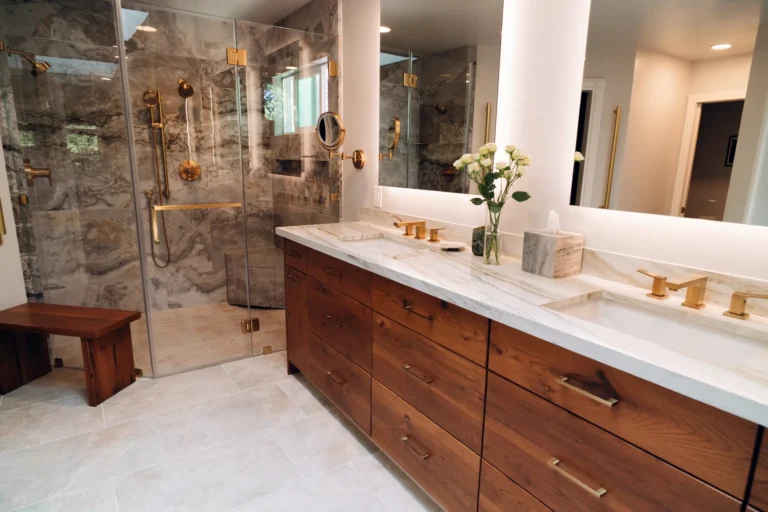
- Bathroom remodel with new shower, tile and fixtures: usually a B contractor as well. See our bathroom remodeling page.
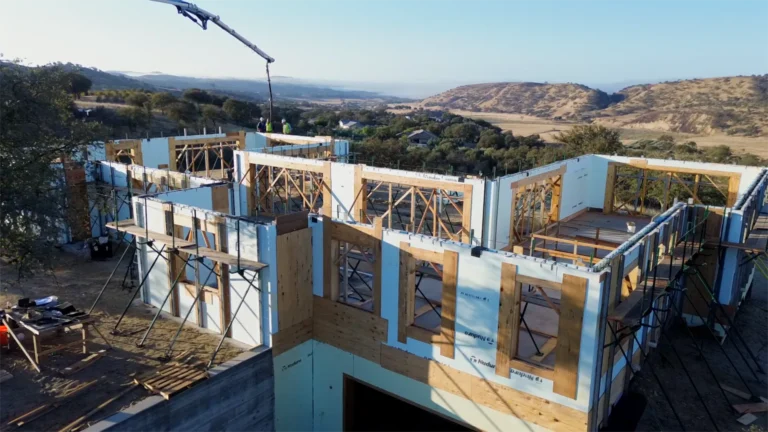
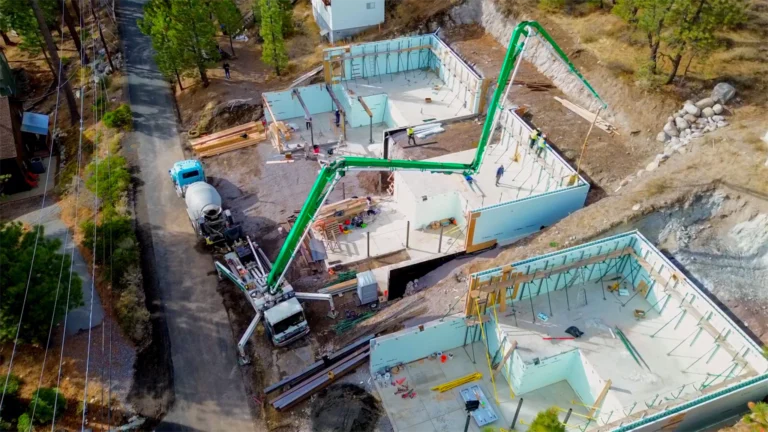
- New custom home, including an ICF home: a B contractor, with structural engineering and permits from the city or county. See our ICF construction page.
Local conditions add their own requirements. In the foothills around Auburn, Grass Valley and Placerville, many lots fall in fire hazard zones where wildfire-resistant construction rules, often called Chapter 7A, generally apply to new homes and some additions; the Office of the State Fire Marshal fire hazard maps show where. Near Truckee and Lake Tahoe, snow loads shape structural design. A contractor who works in those areas regularly should be able to explain how they handle it, and your building department can confirm what applies to your parcel.
Hear from a homeowner
A license tells you a contractor is qualified. Talking with past clients tells you what working with them is like. In this video, a Sacramento homeowner describes their remodel with our team.
Read more about this project on the Sacramento luxury home remodel page.
Checks to make beyond the license
An active license is the minimum. Before you sign, it is worth checking a few more things.
- Salesperson registration. If someone other than the owner or qualifier is selling you a home improvement job, the CSLB generally requires them to be registered as a Home Improvement Salesperson. The same lookup tool lets you search HIS registrations.
- Liability insurance. Ask for a certificate of insurance. General liability coverage is separate from the bond and from workers’ compensation.
- Subcontractors. If the general contractor uses specialty subcontractors, ask whether they are licensed too. You can look them up the same way.
- References and past work. Ask for projects similar to yours, ideally nearby. Our project portfolio shows completed kitchens, bathrooms and ICF homes across the region.
- A detailed written estimate. A clear scope with allowances makes bids comparable. Our kitchen remodel cost guide explains how pricing tiers work.
Tenax is based in Rocklin and serves Placer and Sacramento counties for remodeling; see our Rocklin service area page. For bathrooms we provide a free 3D design and a detailed estimate, so you can see the scope before you commit.
Red flags before you sign
Most problems announce themselves early. Be cautious if you notice any of these:
- No license number on the bid, contract or business card, or a number that belongs to a different company.
- A request for a large deposit. For home improvement work, the CSLB home improvement contract rules limit the down payment to $1,000 or 10% of the contract price, whichever is less.
- Pressure to sign the same day, or a “discount” that disappears tomorrow.
- A suggestion to skip the permit to save money. Unpermitted work can cause trouble at resale and with insurance claims.
- A verbal-only agreement. California home improvement contracts generally must be in writing, with a payment schedule and a description of the work, and changes should be written change orders.
- Cash-only requests or payments far ahead of the work completed.
Frequently asked questions
Is the CSLB license lookup free?
Yes. The Check a License tool on the CSLB website is free and open to anyone. You can search by license number, business name, personnel name or Home Improvement Salesperson registration.
Does a handyperson need a license in California?
Since January 1, 2025, an unlicensed person may take on a job only if labor and materials together total no more than $1,000, no permit is needed and no workers are hired. Larger jobs, permitted work or work with employees generally require a license in the right classification.
What license should a kitchen or bathroom remodeler have?
A full kitchen or bathroom remodel involves several trades, so it is usually handled by a B General Building contractor. Single-trade work, such as only electrical or only plumbing, can be done by the matching specialty licensee.
What is Tenax Construction’s license number?
Tenax Construction Inc. holds California CSLB license #1057033, with B General Building and C-10 Electrical classifications. You can confirm the current status on the CSLB website at any time.
Related guides
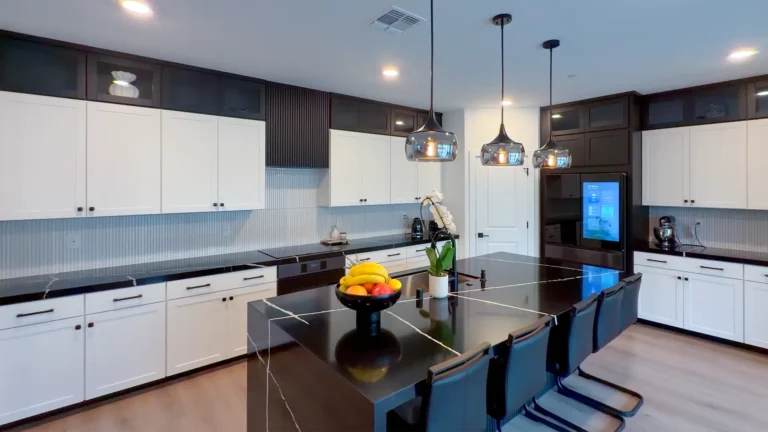
Projects like this
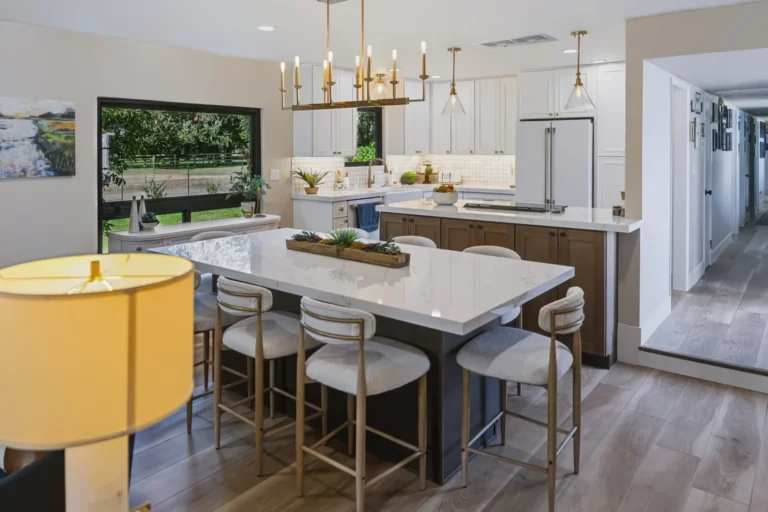 Whole-home remodelKitchen Remodel, Electric Fireplace & Hall Bath Transformation in Elk Grove, CAElk Grove, CA32 photosVideo
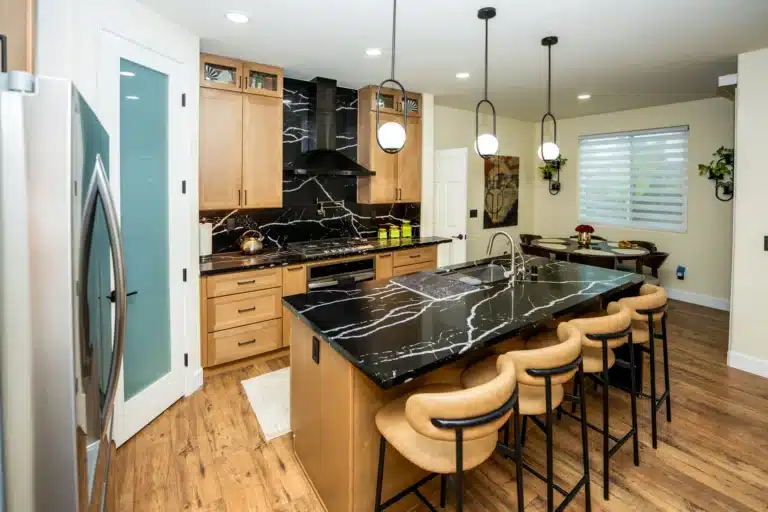 Whole-home remodelWhole-Home Remodel in Elk Grove, CA: Kitchen, Fireplace Conversion & Three BathroomsElk Grove, CA36 photosVideo
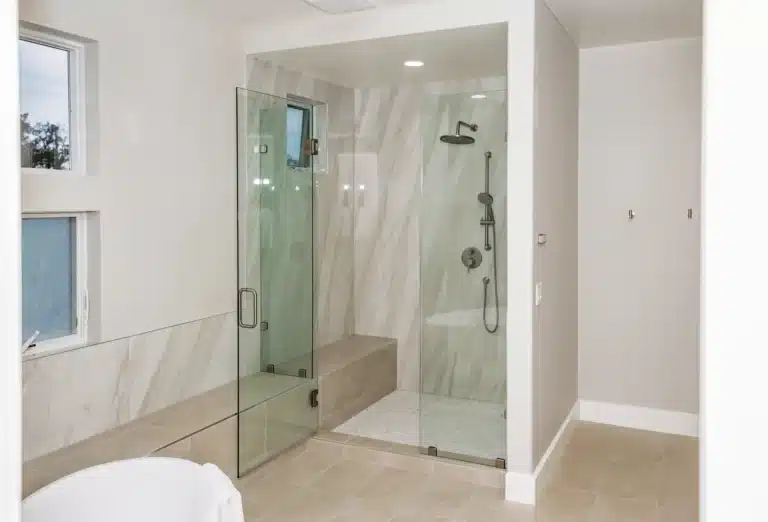 BathroomBathroom Remodel in Folsom, CA: Freestanding Tub, Custom Glass Shower & Porcelain Slab WallsFolsom, CA14 photos
Written by the Tenax Construction team, a licensed general contractor (CSLB #1057033) based in Rocklin, CA, building and remodeling homes across the Sacramento region.
Have a project in mind?
Tell us what you are planning and get a free consultation and itemized estimate from a licensed Sacramento-area contractor.
Get a free estimateCall (916) 586-8845




 Bathroom
 ICF home
 ICF home