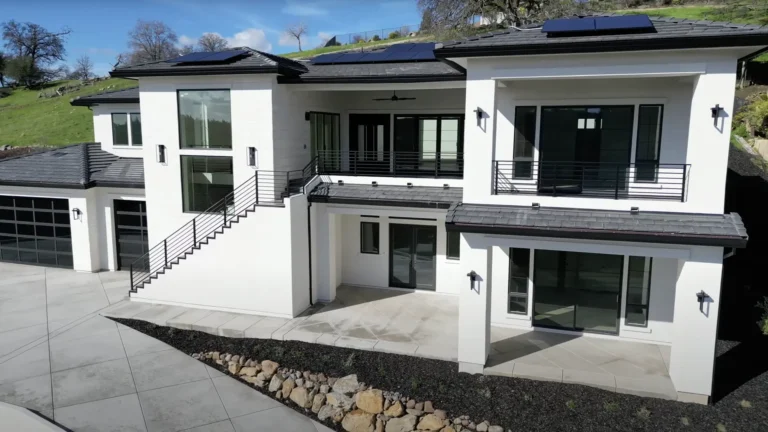
In Sacramento’s climate of extreme heat and cold, ICF construction delivers dramatic energy savings through superior insulation and thermal mass.
How ICF Saves Energy
ICF walls provide continuous insulation with no thermal bridging—unlike wood framing where studs create thermal short-circuits every 16 inches. The R-value of a typical Nudura ICF wall ranges from R-23 to R-50+ depending on configuration. Combined with the thermal mass of concrete, which absorbs and slowly releases heat, ICF homes maintain remarkably stable indoor temperatures.
Sacramento Climate Advantages
Sacramento’s climate features summers above 100°F and winter lows in the 30s°F. This extreme temperature range makes insulation quality critical. ICF’s continuous insulation and thermal mass work together to reduce peak cooling loads in summer and maintain warmth in winter. Homeowners consistently report 25-50% lower energy bills compared to their previous wood-frame homes.
Air Tightness
ICF walls are inherently air-tight—the solid concrete core eliminates air infiltration that accounts for up to 40% of energy loss in conventional homes. When combined with quality windows and doors, ICF homes achieve exceptional blower door test results, often exceeding Energy Star requirements by a significant margin.
HVAC Sizing Benefits
Because ICF homes require less heating and cooling, HVAC systems can be downsized by 30-50%. This means lower equipment costs, reduced maintenance, and quieter operation. Many ICF homeowners are surprised to find they need a smaller system than they expected.
Return on Investment
At current Sacramento energy rates, a typical ICF home saves $2,000-$5,000 per year on energy costs. Over a 30-year mortgage, that’s $60,000-$150,000 in savings—far exceeding the initial 5-10% premium for ICF construction. Factor in potential solar energy integration, and ICF homes can achieve near-zero energy costs.